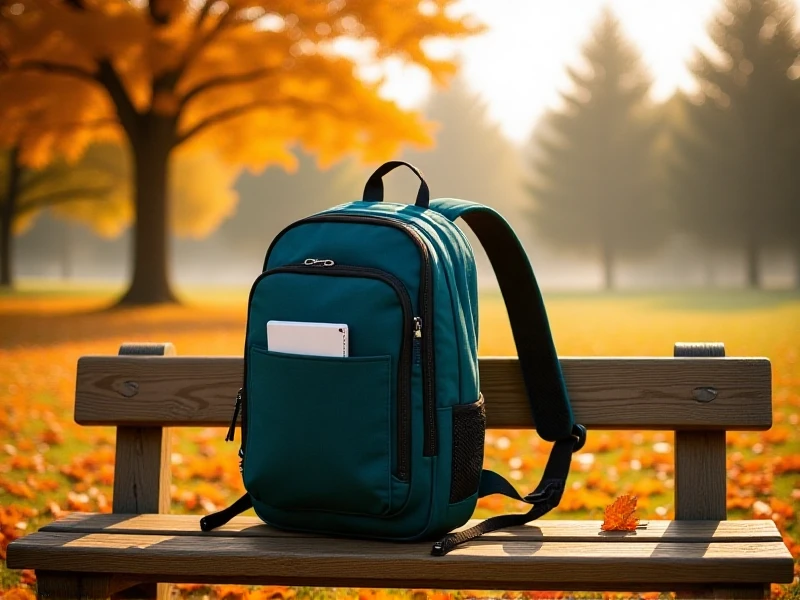
The Essential Guide to Choosing Your Perfect Backpack
Here is an SEO article focusing on the keyword "Backpack", written in English:
In today's mobile world, finding the ideal backpack is more crucial than ever. Whether navigating city streets or hiking mountain trails, the right backpack efficiently carries your essentials, enhances comfort, and even complements your style.
Why Your Backpack Choice Matters
A great backpack does more than just haul stuff. It protects valuable items like laptops and cameras, distributes weight ergonomically to prevent strain, and features intuitive organization so you find things fast. Choosing poorly can mean discomfort, disorganization, and damaged gear.
Key Features to Consider
- Purpose: The best backpack varies vastly by use. Consider these primary categories:
- Everyday Carry / Commute: Look for sleek designs, laptop compartments (15-17"), tablet sleeves, and easy-access pockets for keys/wallet.
- Travel: Prioritize durability, lockable zippers, RFID pockets, and a comfortable harness system for prolonged wear. Carry-on compatibility is often key.
- Hiking & Outdoors: Focus on weather resistance, hydration bladder compatibility, durable materials (like ripstop nylon), external attachment points (trekking poles, ice axes), and a ventilated back panel.
- School & Campus: Requires comfort for carrying books/laptop all day, ample capacity, and sufficient organization compartments.
- Capacity: Measured in liters (L).
- Under 20L: Ultra-light daypacks for essentials or a light commute.
- 20L - 35L: The sweet spot for most – ideal for everyday commutes, day hikes, light travel, or schoolwork.
- 35L : Best for multi-day hiking trips, heavy travelers, or carrying extensive gear/large laptops.
- Comfort & Fit: This is paramount.
- Shoulder Straps: Must be well-padded, contoured, and ideally adjustable. Load-lifter straps on the top help stabilize weight.
- Back Panel: Look for breathable mesh panels and contours to reduce sweaty-back syndrome. Padded is essential.
- Sternum Strap & Hip Belt: Vital for shifting weight off your shoulders onto your stronger core and hips, especially heavier loads (>15-20 lbs/7-10 kg). Crucial for travel and hiking packs.
- Materials & Durability: Common materials include:
- Nylon (Cordura® is premium): Highly durable, weather-resistant, abrasion-resistant. Excellent for travel and outdoor packs.
- Polyester: Durable, mildew-resistant, and often more affordable. Often used for school and commuter bags. Can be treated for water resistance.
- Canvas/Ripstop: Classic look, often durable but can be heavier and less water-resistant unless coated.
- Organization & Accessibility:
- Compartments: Consider the number and layout. Dedicated laptop sleeves? Water bottle pockets? Quick-access wallet pocket?
- Opening Style: Top-loading (common for hiking), panel-loading (easy main compartment access – great for travel), clamshell (opens fully like a suitcase – excellent for packing).
- Pockets: Admin panels, fleece-lined sunglass pockets, water bottle sleeves, hidden security pockets.
Making Your Choice
Don't just rely on specs online. If possible:
- Load it up: Put weight (books, weights) into the backpack in-store to test real-world feel.
- Adjust: Spend time properly adjusting the shoulder straps, sternum strap, and hip belt (if present).
- Move: Walk around the store, bend, and simulate reaching overhead. Feel for pressure points or shifting weight.
Investing in a high-quality backpack suited to your specific needs pays dividends in comfort, function, and longevity. A thoughtfully chosen backpack becomes an indispensable partner on countless journeys. Take your time, focus on the features that align with your activities, and find the backpack that shoulders the load, reliably day after day.