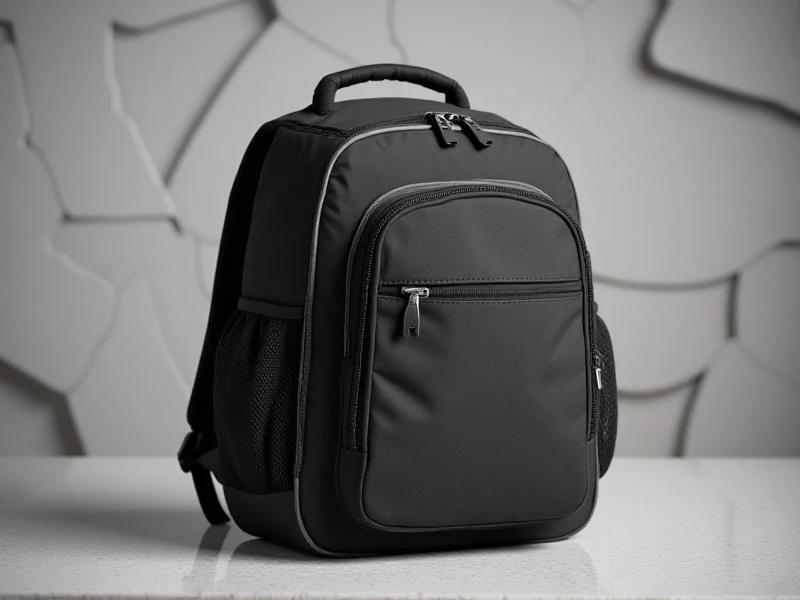
The Ultimate Guide to Choosing Your Perfect Backpack
Here is an SEO-optimized article about backpacks in English, incorporating your requirements:
Selecting the right backpack is more critical than you might think, impacting your comfort, posture, and convenience daily. Whether you're a student, a commuting professional, an avid hiker, or a weekend traveler, the perfect backpack can transform your experience. But with countless styles and features available, finding the ideal one can feel overwhelming. This guide breaks down the key elements to consider.
First, identify your primary purpose for the backpack. Backpacks designed for daily commuting differ significantly from those built for technical hiking or extensive travel. A sleek, professional backpack for your laptop and work essentials will prioritize organization and padding. A hiking backpack, however, emphasizes robust construction, a supportive suspension system, hydration compatibility, and weather resistance. Clearly define your main use case before browsing options.
Capacity (measured in liters) is paramount.
- Small (5-15L): Ideal for minimalists, light commutes (laptop & tablet), or as daypacks.
- Medium (15-30L): The most versatile range. Perfect for students carrying textbooks, professionals commuting with a laptop and gear, or as hiking backpacks for short day trips.
- Large (30L ): Suited for travel (as carry-on luggage), multi-day hiking excursions requiring tents and sleeping bags, or carrying extensive work equipment.
Material and Durability: Look for high-denier fabrics like Nylon (e.g., Cordura) or Polyester. These offer excellent resistance to tears and abrasions, ensuring your backpack lasts. Water-resistant coatings or built-in rain covers are vital features for protecting belongings in unpredictable weather.
Comfort and Fit: This is non-negotiable. A well-fitting backpack prevents back and shoulder strain. Prioritize the following:
- Adjustable, Padded Shoulder Straps: Distribute weight effectively.
- Sternum Strap: Helps stabilize the load and prevent shoulder straps from slipping.
- Padded Back Panel: Enhances comfort and ventilation, promoting airflow to reduce sweating (look for mesh panels).
- Hip Belt (for larger packs >20L): Crucial for transferring significant weight from your shoulders to your stronger hips.
Organization and Accessibility: How easily can you reach important items? Consider:
- Multiple Compartments: Dedicated padded sleeves for laptops/tablets, secure pockets for keys/wallet, side pockets for water bottles or umbrellas.
- Opening Type: Top-loading backpacks are common, while panel-loading or clamshell styles offer easy access to the main compartment – excellent for travel or organization.
Dedicated Features for Specific Use: Ensure the backpack caters to your specific needs:
- Laptop Compartment: Adequately padded and snug fit for your device size.
- Hydration Bladder Sleeve/Hose Port: Essential for hiking and running backpacks.
- Compression Straps: Stabilize the load and reduce bulkiness.
- External Attachment Points: For gear like trekking poles or ice axes on hiking backpacks.
Ultimately, the best backpack feels like a natural extension of yourself. It carries your essentials securely and comfortably, making every journey easier. Considering these factors – purpose, capacity, material, comfort, organization, and special features – will guide you to find a reliable companion that protects your gear and supports you effortlessly, mile after mile.